
Body care & movement
Body care and movement through the Estonian year
Keeping the body capable and recovered across bright summer evenings and dark December afternoons.
Body care here means keeping the body capable and recovered, not sculpting it.
Movement maintains capacity; recovery lets the work settle. Both have to survive an Estonian year, from the long light of June to the dark afternoons of December.
This page covers practical activity levels, recovery habits, and how to adjust the whole routine through the seasons without losing the thread in February.
How much movement is actually needed
The European Commission factsheet for Estonia states the recommended minimum for adults as 30 minutes of exercise twice a week. Not a target to exceed, a floor to clear.
Source: European Commission country factsheet on physical activity, Estonia.
Walking, cycling, swimming, skiing or a gym session all count toward it. The framing is public health rather than performance, which matters if training plans have intimidated you before. A brisk half-hour twice a week is a different ambition from a marathon block, and it is the one the guidance actually asks for.
Meeting the floor consistently beats an ambitious program abandoned in February. If you are starting from very little movement, two short sessions a week are already the recommendation met, not a warm-up you have to earn past.
Hold two or three options open across the year rather than depending on one
Winter changes the options and does not have to end them. Dark mornings favor indoor or lunchtime activity; ice and snow favor walking with proper grip, skiing where it is available, or swimming indoors. Summer makes outdoor movement easy and long.
People who only cycle stop moving in November, which is exactly when movement helps mood most.
Recovery is part of the routine
Activity only pays off if you recover from it. Easy days between harder ones, enough sleep, and stretching or mobility work all belong in the plan. A session you never recover from is a debt, not a gain.
What recovery actually looks like
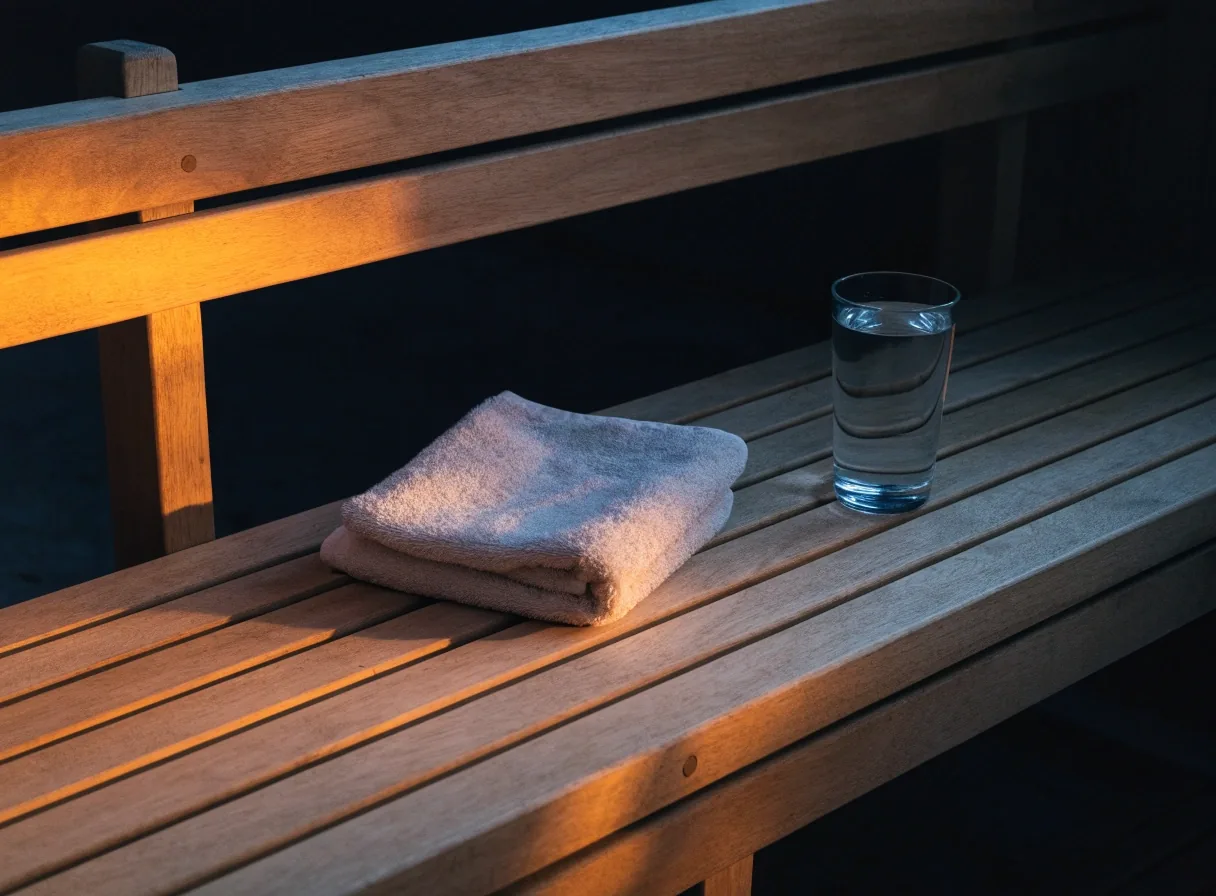
Sauna is a genuine Estonian recovery habit, useful for relaxation and circulation, provided you replace fluids and do not treat it as a substitute for sleep. Recovery also means accepting lower-output days when you are run down, rather than pushing through and losing the following week.
Everyday movement versus exercise
Structured exercise is not the only input. Walking to the shop, taking stairs, standing while on calls, and gardening all add up, and they fit days when a formal session will not happen. The minutes are not wasted because they were not scheduled.
For people with desk work, breaking up long sitting matters as much as the twice-weekly minimum. Stand up every hour or so, take a short walk after lunch, and treat that as part of the routine rather than a bonus. If your working day is nine hours in a chair, the way you split it decides how the evening feels.
Small decisions add up across a winter week: the stairs instead of the lift, the walk after lunch, the ten minutes standing while the kettle boils.
Seasonal rhythm and adjusting expectations
Estonia's seasons are strong, and pretending otherwise wastes energy. Winter favors maintenance: keep the movement habit alive at lower intensity, protect sleep, and talk to your doctor about vitamin D if you are unsure whether it is relevant for you. Spring is a good time to rebuild volume. Summer invites longer outdoor activity and more walking. Autumn is for consolidating what worked. Building the year this way is easier than fighting the calendar every year.
Nature as recovery
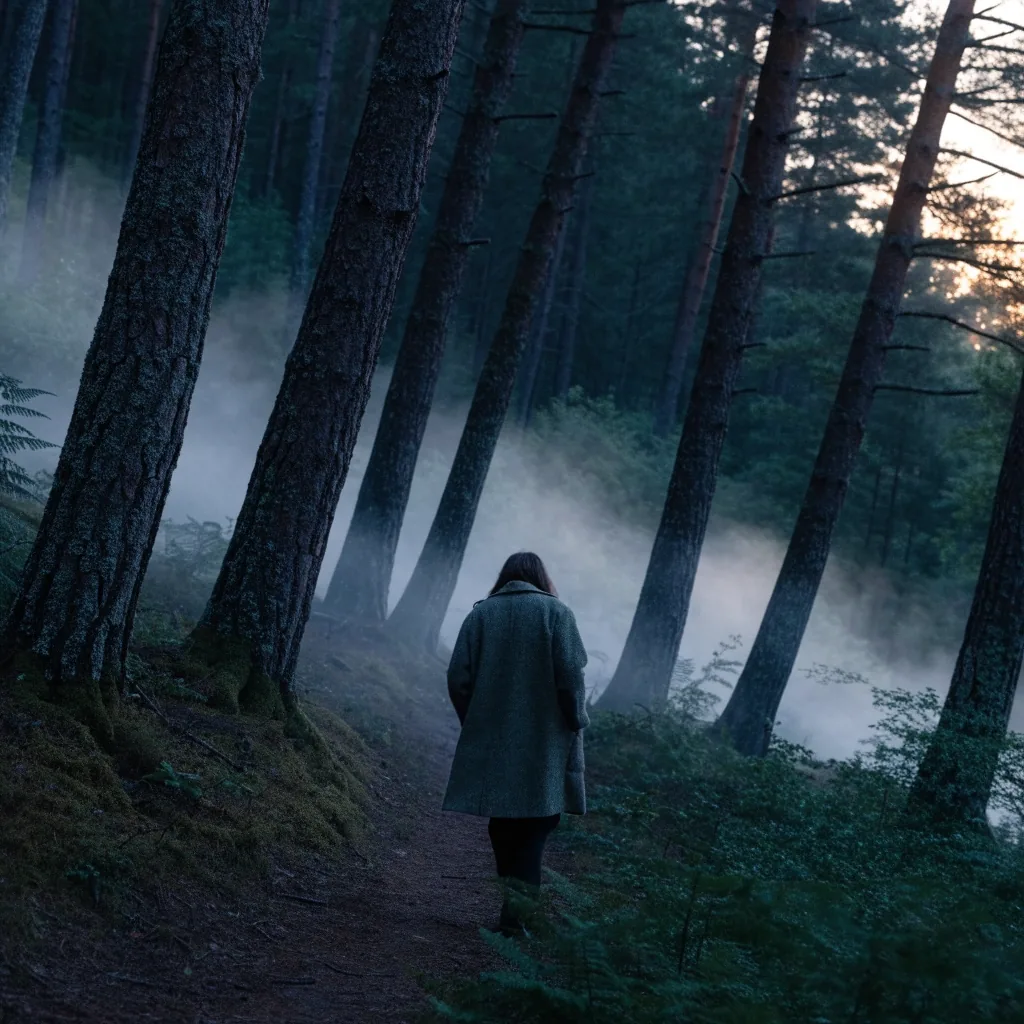
Visit Estonia frames slow time outdoors as restorative, and that matches the evidence on recovery: time in green space lowers stress and supports sleep. It does not have to be a hike. A slow walk in a park or forest, with the phone away, does the job.
One walk, two needs met
Combining movement with time outdoors means one activity covers two needs, which is useful on busy weeks. A forty-minute walk in the forest counts toward your weekly floor and toward the quiet your nervous system needs after a screen-heavy day.
When to see a professional
Pain that persists, an injury that is not settling, or a sudden drop in capacity deserves a physiotherapist or doctor, not adjustment of your walking route.
Our guidance covers general movement and recovery habits for healthy adults. Specific rehabilitation is a different job, and it belongs with someone who can examine you in person.
Do I need to do more than the recommended minimum?
No. The 30 minutes twice a week is a floor set for public health, not a step toward a training goal. More is fine if you enjoy it and recover from it. The guidance exists so that people who move less have a clear, unglamorous target to clear.
Is walking really enough?
Walking counts toward the weekly minimum, and it fits Estonian conditions better than most sports because it survives ice, rain and short daylight. Add pace or a hill if you want more from the same half hour. Add strength work if you want to hold muscle as you get older.
Can sauna replace a recovery day?
Sauna helps you relax and supports circulation, and replacing fluids afterwards matters. It is not a substitute for sleep or for easier training days. Treat it as one pleasant habit inside a routine that already includes rest.
What if I lose the habit every winter?
Plan the winter version before November, not during it. Name one indoor option and one outdoor option you can do in the dark, and lower the intensity target rather than dropping the habit. Losing two months and restarting in March is harder than keeping a small winter version alive.
Where this connects
Movement supports sleep, and better sleep makes movement easier. If either is currently weak, read the sleep and recovery guidance alongside this page. If the issue is low energy rather than low activity, nutrition and fatigue prevention are the better starting points.
Ask about your routine
If you are not sure how to fit movement into a working week, or how to build a winter version of a routine that only works in summer, get in touch and describe the week you actually have. We answer weekday messages about general habits, not diagnoses.
Longevity Sleep Routine OÜ, Aida tn 5, 80011 Pärnu, Estonia. Monday to Friday, 9:00 AM – 6:00 PM.